
Blog 29 – Friday 27th March 2026:
Dear Supporter of Luteweb,
Video No. 7 has now been released as part of my John Dowland 400th Anniversary collection.
This time, I present a song from Dowland’s Second Book of Ayres (1600), Sorrow, Stay. It is a truly beautiful piece and progressive in its compositional form, being through-composed with careful attention to the setting of the text.
In keeping with Dowland’s melancholic style, in Sorrow, Stay the poet descends into despair. An aspect to listen out for is the elegant interplay between voice and lute on the word “pity,” performed with great intimacy by Benedict Randall Shaw.
I hope you enjoy this addition to the collection.💕
With best wishes,
Liz
Blog 28 – Friday 13th March 2026:
Dear Supporter of Luteweb,
Two weeks have whizzed by, and today I’m delighted to release The Earl of Essex, His Galliard, one of the stalwarts of the lute repertoire filmed at Sudeley Castle.
This enduring piece is loved for its jaunty rhythms and memorable melody. It exists not only as a lute solo but also in the form of the well-known Dowland lute song Can She Excuse My Wrongs, which I will be releasing at the end of next month.
The Dowland journey continues, and I hope you are enjoying the collection so far.
Next time, a beautiful song performed at Madresfield Court.
Sending best wishes,
Liz
Blog 27 – Friday 27th February 2026:
Dear Supporter of Luteweb,
Another couple of weeks have flown by, and today I’m delighted to share the fifth video in my John Dowland 400th Anniversary collection: Flow My Tears from the Second Book of Ayres (1600).
We were privileged to have the opportunity to film in Worcester Cathedral, working late into the evening. This video was the first recorded during those sessions, and we were fortunate enough to capture the light streaming through the Great West Window — a truly magical moment.
Interestingly, this was actually our second attempt at filming and recording in the Cathedral. The first, also late at night, had to be abandoned due to some unexplained — and rather otherworldly — interference on the microphones!
It has been quite a journey of discovery bringing this project together, and I’m so pleased to be able to share it with you.
Next time: Essex’s Galliard, filmed at Sudeley.
With best wishes,
Liz
Blog 26 – Friday 13th February 2026:
Here is Video No. 4 in my John Dowland 400th Anniversary collection — and perhaps his most enduring and haunting work, the Lachrimae Pavan.
As many of you will know from my Breakdown Session video, there are a number of different versions of the Lachrimae. This performance draws on the later version from the Margaret Board Book, dating from around 1615.
I am sharing this piece one week before the anniversary of Dowland’s death, registered on 20 February 1626, as a small tribute to a composer whose voice of sorrow and beauty still speaks so directly to us.
This performance was filmed at Christ Church, Oxford, where Dowland received his Bachelor of Music degree in 1588 — a place that connects us, across four centuries, to a pivotal moment in his life.
I hope you enjoy it.
If you would like to catch up on the behind-the-scenes making of this video visit John Dowland Video Diary – May 2025
You can also watch my video on Dowland’s resting place here – John Dowland’s Video Diary – April 2025
The next video will be released in two weeks, on Friday 27th February—a song filmed in Worcester Cathedral.
With warmest wishes,
Liz
Blog 25 – Friday 30th January 2026:
Dear Supporters of Luteweb,
Time so often seems to rush past us, which makes the next video in my John Dowland 400th Anniversary collection feel like a moment of gentle stillness.
Time Stands Still, from Dowland’s Third Book of Songs (1603), is sung here by the wonderful Daniel Marles, a young and rising UK-based tenor. His singing has a rare honesty and tenderness, and working with him is always a true pleasure.
We filmed this performance in the chapel at Sudeley Castle, in the quiet presence of Catherine Parr’s resting place — the sixth wife of Henry VIII, and the only queen laid to rest in a private home. The space itself seems to listen!
I hope you enjoy this intimate and timeless rendition.
The next video will be released in two weeks, on Friday 13th February— to mark the 400th Anniverary of Dowland’s death on February 20th 2026 – The Lachrimae!!
With warmest wishes,
Liz 💕
Blog 24 – Thursday 16th January 2026:
I now released two more videos for my John Dowland 400th Anniversary video collection:
“Now O Now I Needs Must Part,” from John Dowland’s First Booke of Songs 1597
“Go from My Window,” from the Folger/Dowland manuscript of 1590.
The first is Dowland’s 4-part setting of his hit tune the Frog Galliard and the second is a beautiful little piece in which I decided to imbue with plenty of decoration and noodles! As you can see from this video, I also had a very attentive audience!
I hope you enjoy them both. ✨
The next video will be released in two weeks, on Friday 30th January—a song filmed in Sudeley Castle Chapel.
Have a wonderful few weeks,
With best wishes,
Liz 💕
Blog 23 – Thursday 1st January 2026:
Happy New Year!
I’m delighted to announce the start of my John Dowland 400th Anniversary video collection!
I’ve just released the Preludium from the Margaret Board Lute Book (c. 1615), as an introductory video to the collection.
Tomorrow, 2 January 2026, I’ll be releasing a four-part song version of Dowland’s well-known tune Now, O Now I Needs Must Part.
From then on, a new video will be released every two weeks throughout the year, with the final, concluding video posted on 31 December 2026.
It’s going to be quite a year, and I hope you enjoy watching the collection grow.
None of this would have been possible without your support—thank you for giving me the opportunity to share this beautiful music.
I wish you all much happiness in 2026.
With best wishes,
Liz
Blog 22 – Thursday 11th December 2025:
Dear Lovely Supporters of Luteweb,
I’ve put together a little video to say thank you for the wonderful support and kind words you’ve shared with me this year. It means so much! ❤️
I’m incredibly excited to bring you my John Dowland Anniversary Collection in 2026. I’ll be posting the introductory video on 1st January, followed by the first performance video on 2nd January. From then on, you can expect a new video every two weeks throughout the year, concluding with the final instalment on 31st December 2026.
In the meantime, I’ll be working on a new book, You Can Play Dowland!, and finishing the last of the Dowland Diaries. I couldn’t have done any of this without your support and encouragement—thank you from the bottom of my heart.
Wishing you a wonderful Christmas, and I’m so looking forward to sharing the new year with you!
With my very best wishes,
Liz 💕
Blog 21 – Friday 21st November 2025:
Dear Supporters of Luteweb,
It has been a busy couple of months, and although things may seem a little quiet on the Luteweb front, I’ve been working hard behind the scenes!
I’m now at the stage where I’m uploading my final Dowland videos to YouTube, ready for release every two weeks throughout the year, starting on Friday, January 2nd, 2026.
I’m so excited to share his music with you, along with the beautiful locations I’ve had the privilege to film in.
I’m a little behind on my Dowland Diaries, but I recently released a new video—presented in two parts—exploring Dowland’s connection to the spy network in France.
I hope you enjoy it!
Thank you for all the lovely emails of encouragement and support for this project; it means so much! ❤️
With best wishes,
Liz
Blog 20 – Friday 26th September 2025:
I know it has been far too long… please forgive me!
I have been very busy however, I have good news!
Today I have just released my John Dowland Diary for May 2025. I’m sorry it’s late!
I am making good progress with the performance videos for the Dowland Anniversary Collection and I am now in the closing stages of filming and recording. I will soon be scheduling the videos and uploading them to YouTube. The first anniversay video is planned to be released on Friday 2nd January 2026 followed by a new video every two weeks throughout the year.
It’s all very exciting!
So, here’s the latest installment in my Dowland journey, I hope you enjoy it!
The next video diary will be a walk on the Malvern Hills with much pondering on Dowland!
If you’d like to catch up with my journey so far, you can visit the playlist here 👉 John Dowland Video Diaries
Happy September!
Blog 19 – Friday 30th May 2025:
Dear Supporters of Luteweb,
I have just released my Dowland Video Diary for April where I venture to London in search of Dowland’s burial place.
The Lachrimae accomanies the narrative, which I recently recorded at Christ Church, Oxford.
I hope Dowland approves!
The next video diary will be based in Oxford! If you’d like to catch up with my journey so far, you can visit the playlist here 👉 John Dowland Video Diaries
Have a Lovely Summer
Blog 18 – Friday 16th May 2025:
You may have been wondering what I have been up to as all has gone quiet!!
I have been beavering way recording and filming for the John Dowland Anniversary collection. I confess, I am a little bogged down with all the post-production material and I am a little behind on the video diary.
But at last I have just finished the John Dowland Video Diary for March, 2025!
Filmed in the beautiful setting of Sudeley Castle, it is definitely worth taking 15mins out with a cup coffee to catch up.
I hope you enjoy it.
The next video diary will be based in London! If you’d like to catch up with my journey so far, you can visit the playlist here 👉 John Dowland Video Diaries
Have a wonderful spring!
Blog 17 – Friday 11th April 2025:
I have just released a tune called Three Sheep Skins, a quirky little number from Thomas Robinson’s Schoole of Musicke (1603) plus, a well known tune commonly played called Wilsons Wilde.
The Three Sheep Skins caught my interest because of the title and it’s unusual compositional construction, I think it sounds quite contemporary!
I will be including both of these renditions in a new video-guide book I am working on called – 10 English Rustic Tunes for the Lute. Watch this space! 👀
As you know, I’m currently working on my John Dowland Anniversary Video collection for 2026 and a behind the scenes video diary. The next video diary release will feature Sudeley Castle! If you’d like to catch up with my journey so far, you can visit the playlist here 👉 John Dowland Video Diaries
Wishing you all a wonderful Easter weekend!
Blog 16 – Friday 21st March 2025:
Hello Folks!
It has been a busy month with much happening but I am glad to report that I have just released my John Dowland Video Diary for February!
When I did the recording in Great Malvern Priory, it was very early in the morning, damp, misty and cold but very atmospheric!
I hope you enjoy the video… next month Sudeley Castle!
Blog 15 – Friday 14th February 2025:
This is new! 👇 I have just released it today! When I filmed it, is was after a very long day and I had a stinking cold! This is the 8th fantasia I have filmed and recorded from the Luis de Milán, El Maestro Collection. (1536)
If you want to catch up with the playlist so far you can find it here
👉 El Maestro – Luis de Milán (1536)
Wishing you all a wonderful weekend!
Blog 14 – Friday 7th February 2025:
Since hitting my crowdfunding target for the John Dowland 400th Anniversary Collection last Christmas, my lutey strings have swung into action!
I have put together a behind-the-scenes video of the first recording session to keep you up to date with how it’s all going.
Here’s the first one! I hope you enjoy it!
If you’d like to find out more about this project and get involved, visit the support page below.
The John Dowland 200th Anniversary Collection 2026
More coming soon!
Blog 13 – Tuesday 17th December 2024:
It has been a very busy time since I last managed to update my blog! Many apologies to the folks who may have been checking in to find it unchanged… forgive me, it has been hard to keep up!
Today I posted a personal Christmas message on YouTube and here it is!
I am so grateful to everyone who has supported the John Dowland 400th Anniversary crowdfunding campaign. It is very exciting as this project will be going ahead! There are just 7 days left to fundraise. If you would like to get involved, you can go directly to the crowdfunding page here:
The John Dowland 200th Anniversary Collection 2026
Wishing you all a very Merry Christmas and thank you for the kind words and incredible support for my projects. I can’t wait to keep sharing this beautiful music with folks next year.
Merry Christmas and a Happy New Year!
Blog 12 – Friday 15th November 2024:
Hello!
I am very grateful to everyone who has supported my John Dowland 400th Anniversary crowdfunder campaign so far. I have been pledged 32% of my target so far. I have 40 days to go and the campaign ends on Christmas Eve. It’s very exciting to have the opportunity to mark Dowland’s 400th Anniversary in this way.
If you would like to know more details or would like to check in on the progress of the crowdfunder, click the link John Dowland 400th Anniversary Crowdfunder
Today I have released a very special video that is very personal to me. It is a piece by William Byrd called My Mind To Me A Kingdom Is, originally a 5 part song found in a part book – Psalmes, Sonets, & Songs of Sadnes and Pietie. (1588)
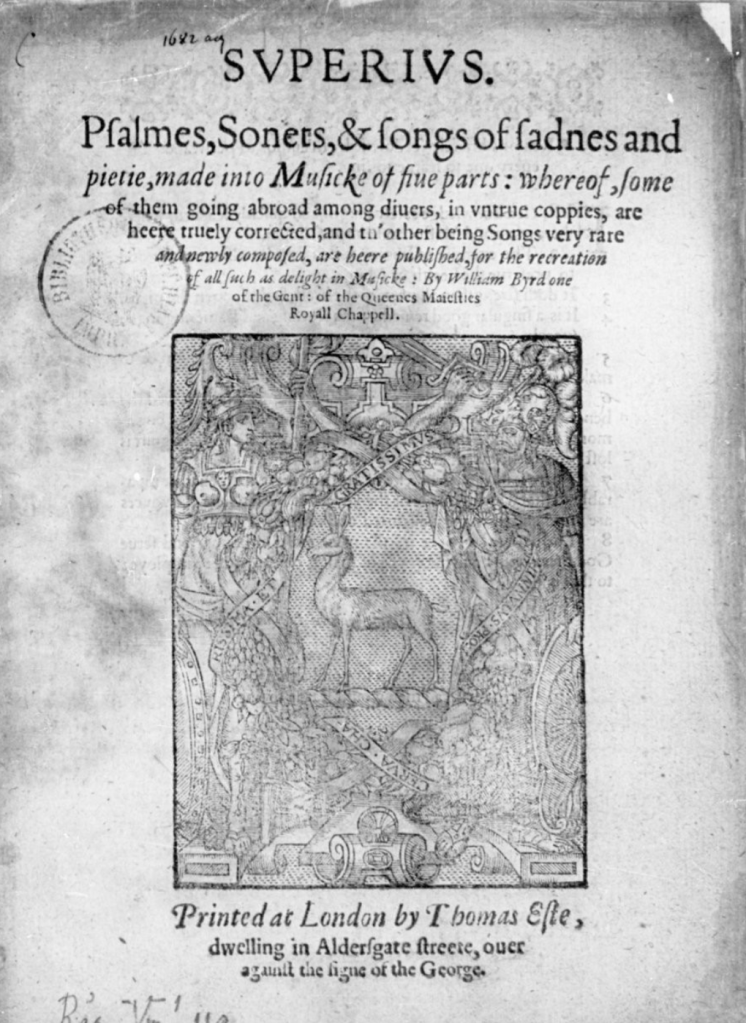
The video is unusual as I wanted to combine the music with the poetry but without the poetry sung or recited. The words are presented in a dream-like way, fading in and out in combination with the melody. I believe this gives the viewer a chance to reflect more on both the music and the poetry. The missing 3rd part is that of the listener, either sung or read in the form of thoughts.
The lute takes on the role of all 5 parts of the original vocal score, this was tricky for me to do and it needed great care when it came to transcribing and arranging the work for the lute. The next step was to perform the piece so that the main melody was separated from the supporting material. Musically, this interpretation has some unusual twists that are particular to me in the form of added ornamentation, dissonance and improvisation.
The poetry is very special too.

Attribution of the poem, if you google it, is uncertain. As mentioned above, the first publication of this poem is found in the music manuscript Songs of Sadnes and Pietie (1588) and the authorship of the poetry has been verified to be by Edward de Vere, 17th Earl of Oxford (1550-1604) in a book called Hundert Gedichte (Hundred Poems) by Kurt Kreiler who authenticated and published the early poems of De Vere in 2013. This poem, if you google it,(!) is attributed to Sir Edward Dyer, (1563-1607) …wrongly as it turns out!
I’ve dedicated this video to Alexander Waugh, a wonderful writer and musician, totally devoted to his beautiful family. He bravely lost the battle against cancer last July.
My family and I met Alexander in 2021. He burst into our lives with such incredible energy, enthusiasm and warmth! He made such a big impact on us all in so many ways and, in our brief time together, taught us so much about so many things!
In the autumn of 2021, my duo Amarylli were preparing a video of Shakespearean songs for an online webinar for the De Vere Society. Alexander came to the recording session and told me how much this song meant to him.
Last year, 2023, I wrote to Alexander knowing he was poorly. I promised I was going to arrange this piece and record it for the lute. I wanted to reflect the deep pool of thought I had briefly glimpsed back in 2021.
Regrettably, I never managed to this in time.

To you Alexander,
My Mind To Me A Kingdom Is
in loving memory.
1963-2024
Blog 11 – Friday 18th October 2024:
Hello Folks!
Having launched my John Dowland 400th Anniversary crowdfunding campaign two weeks ago, I am overwhelmed by the kind words of support and encouragement for the project.
My thanks to everyone who has donated. It’s starting to feel that, just maybe… I could indeed be starting this project in January. I am very excited about the possibility and about immersing myself in this beautiful music.
If you would like to read more details about how to support this project, follow the link below.
The John Dowland 400th Anniversary Crowdfunder
During the last five weeks, I have been beavering away releasing videos. The latest video was a delightful little tune called “All In A Garden Green.” This tune can be found in many different forms and settings, not just in England but across the pond too! The earliest example in England can be viewed in the William Ballet Lute Book, c. 1590.
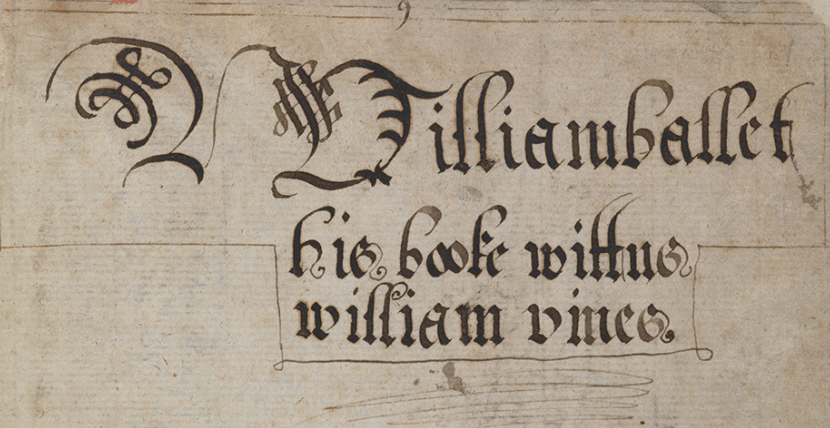
Other versions include J.P. Sweelink’s set of variations ‘Under Der Linden Grüne‘ and Nicolas Vallet’s, Tablature de Luth (1618) titled ‘Onder De Linde-groene.’ One thing’s for sure, this was a very popular ballad, probably the equivalent of a top ten hit nowadays!
The first record of this song can be found in the Stationers’ Register in 1565 titled “All In A Garden Green/Between Two Lovers – sung to a fine tune.” The original words to the ballad are hard to pin down as there are many variants. But one setting of the poem can be found in the Shirburn Ballad Book 1565-1616
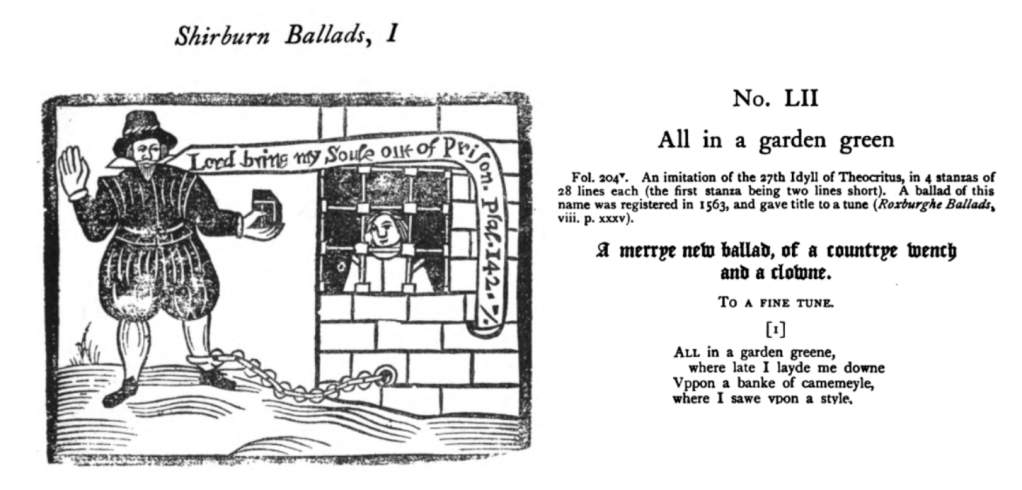
The first couple of lines of the poem are enchanting:
All in a garden green, two lovers sat at ease,
As they could scarce be seen above the leafy trees.
They lovèd lofty full, and no wronger than truly,
The lover sings of his enduring love ‘as long as life in me shall last’ and that though he maybe young now…
‘when I am grey and old, and then must stoop to age, I’ll love thee twenty-fold’
As Sweelink, Vallet and others had re-invented this tune, I decided I’d have a go myself and use various primary sources for my reference.
The middle section of my version is a fragment taken from the GB-Lam 603 manuscript, otherwise known as the Margaret Board book (c. 1620). The extract comes from a much larger work titled Primero and is presented as a very lengthy and sophisticated set of variations.
It’s very interesting in the way the tune ‘All In A Garden Green’ has been reworked in this version. The melody is broken up into polyphonic lines, there is a heavy use of 3rds and a really lovely division section.

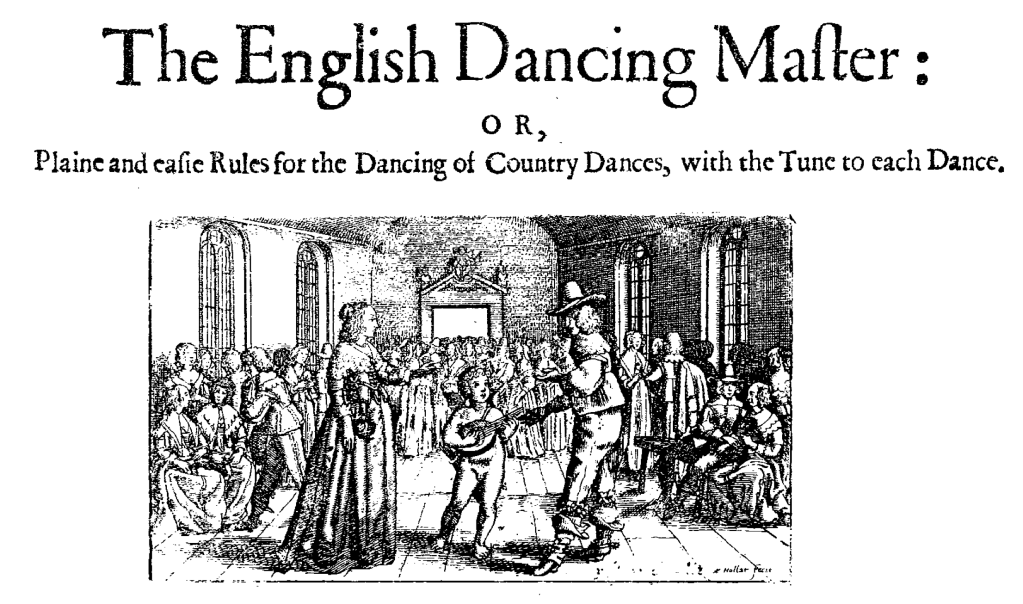
As I wanted to spell this tune out to my listeners and have some creative fun in the process, I used only a short extract from the Primero alongside a rendition of the tune taken from John Playford’s The English Dancing Master (1651).
The last thing I did was add my creative touch to the performance with special flourishes, scaled passages, small details, and unique moments to make it stand out.
The durability of this tune has stood the test of time; first entered into the Stationers’ Register in 1565, perhaps now I have helped preserve it for a few more years to come!
I hope you enjoy it.

Blog 10 – Friday 4th October 2024:
This week I want to talk about Dowland!
For those of you who may not be so familiar with this name, John Dowland was born in 1563, and in his lifetime, he became one of the most well-known composers of English lute music and lute songs. His most famous work, the Lachrimae, is still revered today and is widely performed. This is my recording performed in Great Malvern Priory.
The Lachrimae Pavan – Folger Lute Book

Dowland’s contribution to the music of the Golden Age is prolific, and his works amount to around 106 pieces, give or take. His lute songs are sublime and are a true legacy of music in England at the time of Elizabeth I.
Elizabeth I c.1600 -National Portrait Gallery, London
Dowland has always been a constant presence in my life. From a very early age, I was smitten by the directness and the purity of his compositions. Aspiring to play his Frog Galliard at a young age, these pieces have been a part of my musical understanding and journey, and I constantly find myself revising my interpretations when revisiting them. When I return to a piece, I never fail to spot something new or wonder at the craft of composition.
2026 will be the 400th anniversary of Dowland’s death, and as a lute player who has spent many decades dedicated to his music, it feels only right and fitting that this landmark should be celebrated!

So I have a new and exciting Luteweb project bubbling away for this special anniversary year!
My project is simply entitled, ‘John Dowland’s 400th Anniversary Collection – 2026‘ This collection will be a series of 26 videos to be released every 2 weeks via my Luteweb channel on YouTube throughout the anniversary year. The videos will be a selection of his most famous solos, for example, the Lachrimae, Sir John Smith, and the King of Denmark, His Galliard, as well as some of Dowland’s most famous lute songs, such as I Saw My Lady Weep and Can She Excuse My Wrongs.
I am planning to film in beautiful locations here in Worcestershire, but also, depending on the funding, have the opportunity to film in places historically connected to Dowland during his lifetime, such as Christ Church, Oxford.
It is with thanks and much gratitude to Cllr John Gallagher, Cllr Beverly Nielson, and Victoria Carmen of the Malvern Hills District Council, who have encouraged me and helped to kick-start the project with three ward grants to help fund the project.
Chris Goodwin and members of the Committee of the Lute Society have kindly allocated the Gillian Brown bequest. It is thanks to both of these bodies that I have already met half of my funding target to make this project viable.
You can read more about other projects celebrating the 400th anniversary on the Lute Society website here. 👉The Lute Society: Dowland 400
Last Tuesday – 1st October, I launched a crowdfunding campaign to help me hit my target of £5.5k needed to cover the costs of the full video project. Thanks to the generosity of supporters, I have already achieved 10% of my target. I have a long way to go, but I am hopeful that kind folks will make it possible.
If you would like to read more about the project you can click on the like below.
https://www.crowdfunder.co.uk/p/the-john-dowland-400th-anniversary-collection-2026
It would be wonderful if you are able to support this collection. 💕
Oh… and just in case you missed it, here’s a little number I put out a couple of weeks ago!
Blog 9 – Friday 20th September 2024:
Hello folks! This week, my thoughts ponder upon the question, can we glimpse into the past though sound?
Can sound work like a photograph? Can it give you a snapshot of a specific point in history? The answer is, yes! Yes, of course, particularly when the sound comes in the form of music. How often have you heard a song on the radio or TV that has taken you right back to your childhood and triggered a memory of events, of people and places?
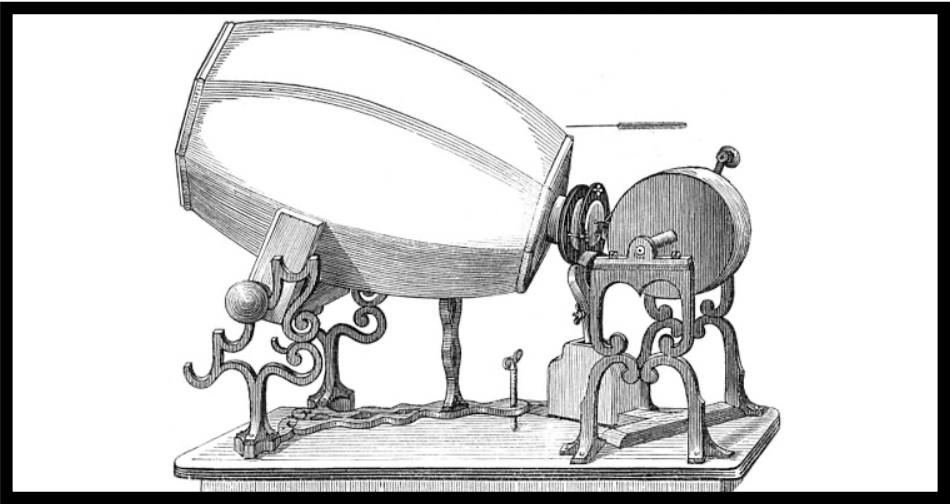
Certainly since the the moment Édouard-Léon Scott recorded a fragment of the French folk song ‘Au Clair de la Lune’ in 1860 on a phonautograph, (don’t ask me about the science!) we are fortunate to have recorded memories from the last 160 years.
But 160 years! This is a mere fraction of time compared with what history has to offer us in the ever-changing development of the musical art form. Are we not dealing with the dawn of time when it comes to music?
A couple of weeks ago, I wrote about the 200th anniversary of Beethoven’s 9th symphony. The performance by the Aurora Orchestra at the Proms definitely brought history to life and allowed us to experience the sound world of 1824. Ok, so we may not know exactly how the first performance came out, but we have been left with the legacy of the score, the details of the composer, Beethoven, his books, letters and diaries, all of which help us to piece together a picture of how the music would have sounded.
This week I released a video from a book called El Maestro (1536). The full title ‘Libro de Música de Vihuela de Mano Intitulado El Maestro,’ – a book of vihuela music titled The Teacher by Luis de Milán (1500-1561), a Spanish composer and writer. The two books in this collection are beautiful works of art that contain solos and songs intended for students of the vihuela, an instrument similar to the lute, popular in Spain in the 16th century.

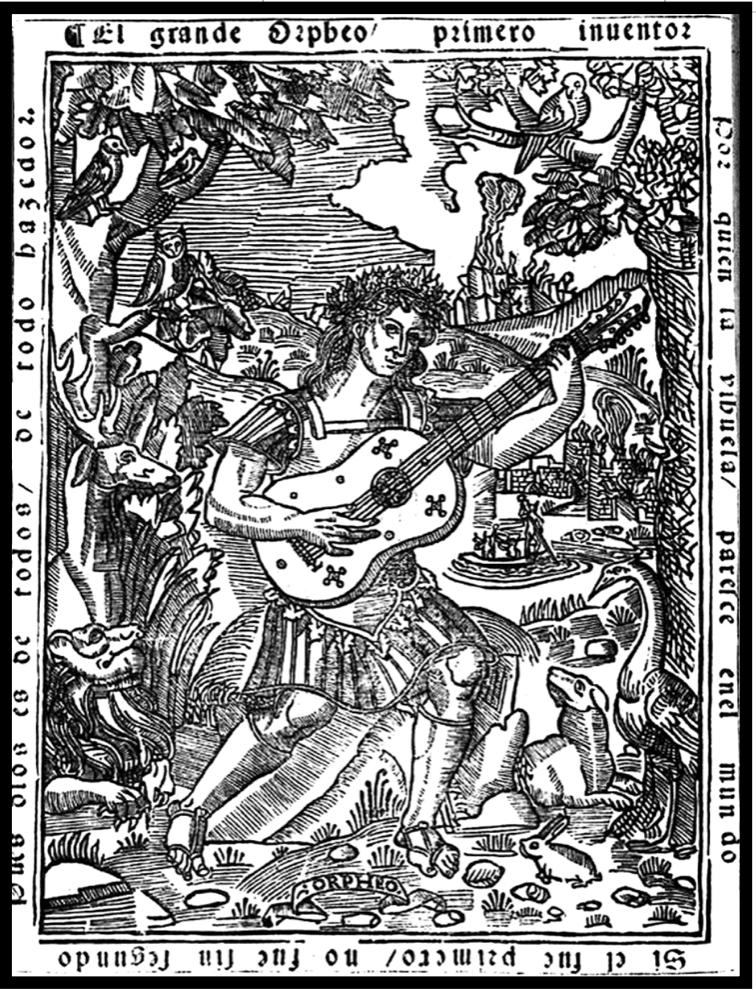
The book contains 40 fantasías (to date, I have recorded 7; I’m not sure I’ll make all 40!), 6 pavanas, 4 tientos, and 20 songs (villancicos, romances, and sonetos), all in Castilian text. The music should not be underestimated given that the books were compiled with the student in mind. The works require considerable virtuosity, and much care is needed in terms of interpretation.
The dedication is to King João III of Portugal, and the two books remain a monument to the repertoire of the Spanish vihuela, giving us the first indications of verbal tempo, unusual chromaticism, and a complex interweaving of homophonic and polyphonic writing.
It is such a privilege to be able to share this music and to live in this age of enlightenment where knowledge is accessible though books, art, and music. I, for one, feel very grateful. You can catch up with my El Maestro playlist here.
So, here is Fantasía No. 7 from Luis de Milán’s El Maestro (1536); this is my little snapshot of history captured in sound!
Blog 8 – Friday 13th September 2024:
This week I had the pleasure of sharing some beautiful music in a concert I performed at Great Malvern Priory. For those readers not in the UK, Great Malvern Priory is very close to where I live in Worcestershire and dates back to 1075. Founded as a Benedictine Monastery between 1075-1540, the local community raised £20 to buy the building which ensured its survival from the Dissolution of the Monasteries instigated by Thomas Cromwell between 1536-1541.

Restoration of the building from 1788 to the present day has preserved this ancient and beautiful Priory. I always feel it is a great privilege to be able to play music in this wonderful space.
Our concert titled ‘Euridice, My Fair’ was a very special occasion for many reasons. The program was a collection of English songs by Henry Purcell and John Blow and was inspired by stories from antiquity. I was joined by two lovely young singers: Florence Price (soprano) and Daniel Marles (tenor).

Florence is about to start university and Daniel is in his final year at the Royal Birmingham Conservatoire. As you can see from the photo, I played the theorbo! Just to say… for the eagle-eyed among you, we use the English spelling of Eurydice!
The repertoire we chose is indeed very specialised. The works of John Blow (1649-1708) are not as well known as those of Henry Purcell. Very few people know that his work, Venus and Adonis is the earliest surviving example of an English opera. It’s also not such common knowledge that Henry Purcell was a student of John Blow and that, in fact, Purcell succeeded Blow as organist at Westminster Abbey in 1679.


A number of the songs from our programme were from an incredible collection dated 1700 called Amphion Angelicus. I love the fact that it is very clear on the title page, “Figur’d for an Organ, Harpsichord, or Theorbo-Lute,” clearly indicating that in 1700 the lute was still a very popular instrument in England.
The music of Henry Purcell (1659-1695) tends to be more well-known to us, and in particular, his opera Dido and Aeneas (1688) from which Florence sang the beautiful and poignant aria ‘Ah Belinda, I am prest with torment.’ One of the duets by Purcell was of particular interest to our theme of antiquity, ‘Let Hector, Achilles and each brave commander’ which comes from Purcell’s most famous collection of songs called Orpheus Britannicus, published in 1698, three years after Purcell’s death in 1695. The two books in this collection are an incredible legacy of Purcell’s skill and mastery of composition.


This portrait painted by John Closterman in the year of Purcell’s death in November 1695, reminds us of the fragility of our time together. Purcell, at the height of his career, died at the young age of 36. He is buried adjacent to the organ in Westminster Abbey and was universally mourned as “a very great master of music.”
John Blow inspired the young Henry Purcell to excel in music in his role as Master of the Children of the Chapel Royal choir where Henry was a chorister up to 1673. This resonants with me as my own children have very much benefited from the wonderful musical experience of being a chorister.
This is why the concert was special!
We set out to raise funds for the Choristers of Great Malvern Priory to help continue and support this tradition. Under the musical directorship of the wonderful Piers Maxim, the chorister experience provides children and young adults with a first-class musical education.
With the support of our wonderful audience we raised £430!
You can find out more about the junior choristers here.

Sharing this music with our lovely audience last Friday was very much a celebration, not only for the Choristers of Great Malvern Priory, but also for the gift of musical education. I would very much like to thank everyone who supported us. Thank you also to Florence and Daniel for sharing their wonderful musicianship and making the occasion very special.
Next week I hope to bring you more thoughts on Luis de Milán and the vihuela.
I leave you with a video filmed in Great Malvern Priory celebrating the modern stained glass window by Thomas Denny donated to the Priory by the Friends of Malvern Priory 2004, carrying on the tradition of care and restoration of beautiful spaces.
More from Luteweb corner next Friday!
Blog 7 – Friday 6th September 2024:
September marks the beginning of my favourite season, autumn! The last couple of months have flown by culminating in a very busy summer with a number of highlights, one of which was the Three Choirs Festival in Worcester at the beginning of August. This really was an outstanding week of incredible music! I enjoyed a number of concerts which you can read about in more more detail here.
High points for me, included the BBC Singers with a flawless performance of Figure Humane by Francis Poulenc. I sat high in the tiered seating and experienced the full vista of the Cathedral, it was breathtaking!
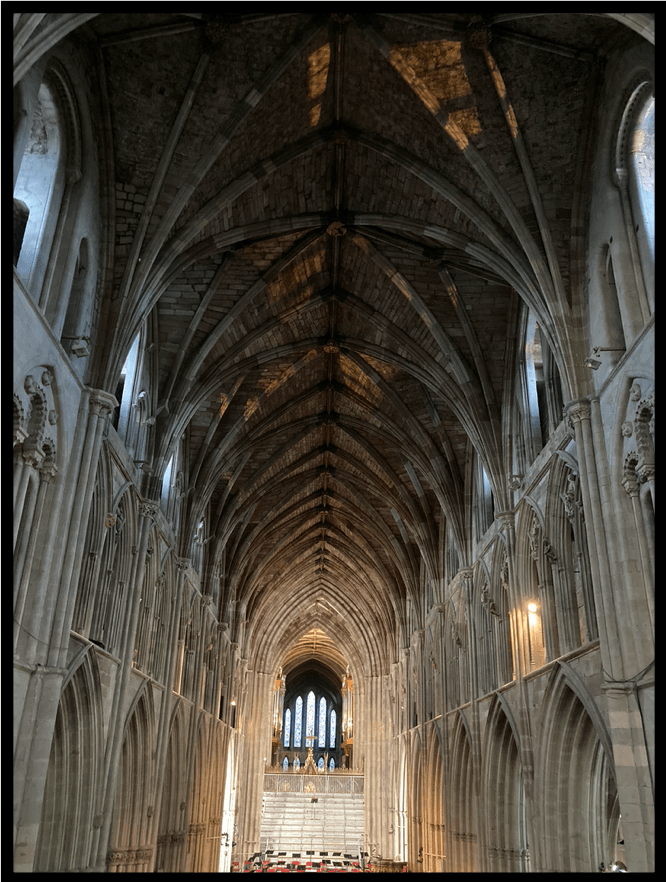
The Angry Planet by Bob Chilcott was another memorable evening performed by all three cathedral choirs; Worcester, Hereford and Gloucester and soloist, Florence Price, 😉 directed by the magnificent Samuel Hudson. I heard a number of beautiful Evensongs too, this really was the most perfect week for the enthusiastic musofile!
In August, I became a promenader, making the pilgrimage to the Royal Albert Hall in London to hear The Aurora Orchestra, renowned for its performances from memory.
Having heard the electrifying performance of the Rite of String last year, this season under Nicholas Collon, conductor and founder of the orchestra they performed Beethovens 9th Symphony celebrating the 200th anniversary of this incredible work.


The evening was composed of two parts, the second half being the full performance of the symphony while the first half was a wonderful introduction into the life of Beethoven which was told through his surviving conversation books and letters. Having visited Heiligenstadt, Beethoven’s Museum in Vienna not so long ago and seen Beethoven’s letters, this was especially poignant.
This narrative relayed to us by two marvellous actors Rhiannon May and Tom Simpler brought back all the wonderful memories of my trip. Due to the unique way the Aurora Orchestra present their material, the dialogue intermingled performances of excerpts from the symphony with the musicians moving freely about the stage.
As an audience member, you were very much led on a journey that brought a deeper understanding of the piece and of Beethoven’s own personal life and his struggle with hearing loss.

It has been a memorable summer, and as I return to working on more lute projects, I am excited about concert plans and videos that I am aiming to share. Kicking off with an exciting start this Friday, 6th September, performing in Great Malvern Priory a program of Henry Purcell and John Blow called, ‘Euridice, My Fair’ with Daniel Marles and Florence Price. It’s going to be beautiful, and I hope to bring you more news about this in my next Luteweb Blog.
See you next week!
Blog 6 – Friday 19th July 2024:
Dear Supporters of Luteweb!
This week I have been reading Hilary Mantel’s Wolf Hall. This book is the most fantastic read and I highly recommend it! Mantel’s character development is stunning. You feel you are at the shoulder of Thomas Cromwell at every step. In fact, everything about the book is stunning from the historical detail, the atmosphere to the pace and dialogue, the scenes just leap off the page!
Thomas Cromwell by Hans Holbein the Younger (1532-1534)

This leads me to discuss the music that would have accompanied the historical setting of Mantel’s book, music collected and preserved in the Henry VIII Song Book. (British Library Ms 31922) This manuscript is a chief surviving monument to secular music in England at this time. Complied between 1510-1520, it is a sumptuous collection! Hand copied by five unknown scribes on the finest vellum, it was originally bound together by wooden boards and covered by leather that was stamped and characterised by roses and fleurs-de-lis. Within the book beautiful letters are typically illuminated in block style, some in gold relief.

The manuscript is purported to contain the King’s own compositions, the most famous of these being ‘Pastime With Good Company.’ Other lesser known works by the King such as ‘O My Heart’ and ‘Helas Madame’, are tunes that, in my opinion, are just beautiful. Thirty-three pieces in the book bear the dedication – ‘the king h.viii’. Other composers in the collection include William Cornish, Robert Fayrfax and John Dunstaple (c1390-1453)
What this book gives us is the most incredible snapshot of the music performed at court in the early part of King Henry’s reign. Songs in the book can be traced to historical events like ‘Englond Be Glad’, thought to have been written for Henry’s invasion of France in 1513. The song ‘Adeu Adeu Le Company’ refers to Henry’s first-born son born in 1511, the infant only survived a few weeks. ‘Above All Thynge Now Let Us Singe…The Red Rose And The Whyght’ is thought to have been performed for a festive celebration of the same year.
Music from Europe makes up a good percentage of the collection demonstrating the power and influence of Henry’s court on the continental stage, these songs include works like ‘Adieu Mes Amours’ and my favourite ‘De Tous Bien Plane’ by Van Ghizeghem.
Although specific instrumentation is not clear, there is plenty of evidence that instrumental music was very much in favour. We know that Henry had an impressive instrument collection and he employed many fine court musicians to play these instruments. Recorders, viol consorts, virginals, harps, and of course lutes would have been the sound world. The instrumental music ranges from complex polyphony to simpler chordal styles. Other pieces are lavish in terms of their decoration and some are clever musical constructions aiming to delight the listener like the Puzzle-Canon.

The beautiful song ‘Ah Robyn Gentyl Robyn’ has poetry believed to have been composed by Thomas Wyatt, as the text to the poem is found in Wyatt’s autograph manuscript, now part of the Egerton collection in the British Museum.
Sir Thomas Wyatt by hans Holbein the Younger (c.1532-7)
The poem reflects on the constancy of female love with a plaintive tone:
“Ah Robin, gentle Robin, tell me how thy leman doth and thou shalt know of mine.”
This song happens to be one of Amarylli’s favourite tunes too. We took the tune and turned it in to palindromic poem. You can listen to our version here.
So this summer, I shall be finishing my Mantel saga, a highly recommended Luteweb summer read and I will be catching up with folks in September for more lutey antics!
Have a great summer!

Blog 5 – Friday 12th July 2024:
Dear Supporters of Luteweb!
This week I had the best key to a work space imaginable!

On Wednesday I was filming in St Leonards, Worcestershire. This is always a joy for me! I am very grateful to the community at Beauchamp for making me feel so welcome and for allowing me to use the wonderful church as a recording location, it’s a very special place. Within my 80 video collection, I have posted five videos filmed at St Leonards. One of the most popular videos was my 5th Fantasia by Luis de Milàn 4 months ago.
For this week’s blog, I’d like to share with you a few insights into the behind-the-scenes process of making a Luteweb video.
First of all, there is the kit!
The kit includes things you never thought you would need! The obvious being the cameras, microphones, cables, lutes. The not so obvious, is the 50ft extension lead as some churches here in the UK aren’t too hot on plug sockets! Back-up lighting and back-up power packs in case the church has no electricity at all!

Weights, yes weights! These are for the lighting. The potential for a light stand to come crashing down is not one I want to risk! A smashed camera or even the unthinkable, a smashed lute and its game over! Extra strings for breakages one of many dreads! The subsequent tuning that this then causes sees my precious time ebb away and my anxiety levels rise. Finally, thermals – the winter sessions are most unpleasant!
The next phase, having tested your lighting, camera angles and audio, is more tuning! In fact, most of the raw film footage consists of tuning! Well…what else would you expect from a lute player! Then comes the moment, after a good couple of hours creating the perfect conditions to capture the most delicate of sounds, the moment when you press record and you venture to pluck a string in earnest. At this point you can be guaranteed that out of nowhere comes…….stzzzzzzzzzzzzzz!!! Followed by me wailing, ‘arrrrrrrgh!’ as the deadly strimmer makes an appearance, another of my worst dreads! It can be a mile away and still cause grief. The strimmer is my nemesis! I believe in the US this is called a ‘weed-whaker!’ The sound cuts through to the microphones, unceasing in it’s monotony until it hits a stone with a nasty crack that doubles my anxiety, only to resume 30 second later to act as a plague on my time!
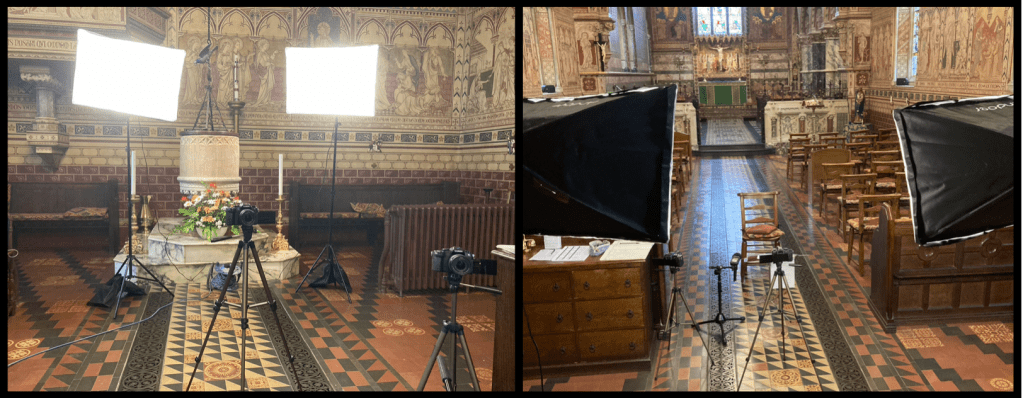
Thankfully, in my session two days ago, I was not subjected to the dull penetrating tone of the strimmer or the ‘weed-whaker’ and for this I was truly grateful.
Sometimes it seems to me that the most difficult thing with all my projects is putting into place the structures needed in order to make the music happen.
When the conditions are right and the tuning is stable and when peace has finally descended, one is left with ones thoughts and sound of the instrument. Everything else in the wider world melts away.
The sound directly communicates your thoughts. Your thoughts have to be true to the music and the music has to be true to the composers intentions. The sound of the notes, the tone, the rhythms, the tension and consonance, the order, the rise and fall of a beautiful melody, this it is where a magical thing happens and when music touches your soul.

These blissful moments soon get interrupted when the hurly-burley of the outside world comes knocking once again and it’s time to pack up!
Have a great week folks!
Blog 4 – Friday 5th July 2024:
Dear Supporters of Luteweb!
Last week I started the blog by extolling the virtues of summer finally arriving here in Worcestershire. Well… I definitely spoke too soon, I’m back in my winter woolies again. Sheeesh!
This week Bradford Werner of This Is Classical Guitar got in touch. It’s always great to hear from Brad! He and I did a lovely collaboration project earlier in the year on a lovely piece, Recercata Bella – Anon You can catch up on our conversation here.
Brad’s written a brilliant piece on the basics of reading lute tablatures for guitarists – French Tablature on Guitar. He clearly outlines the fundamentals and sets out comparisons between the notation used for the lute verses that of the tablature system for the modern guitar.
This got me reminiscing… what made me take up the lute? How did I access this very specialist sound world?
I got started as an enthusiastic classical guitarist at a very young age, I was 12 when I got my first lute! This is was unheard of back then and even now, it’s still rare for a player to take up a specialist instrument so young. What made me go down this path? Curiosity and love of the early repertoire!

Most of the pieces that I was playing at the time were either John Dowland or John Johnson. I was also listening to the great Julian Bream and John Williams back in the days when you sat and listened to music and were not subjected to annoying ads or distracted by your Youtube or Spotify feed. (Ooooooo, I’m getting old! 🥴)
There was one record in particular that just ignited my interest. I still have it as a treasured possession – Julian Bream playing John Dowland. Listed on this album are all the golden greats; Captain Digorie Pipers’s Galliard, Resolution, Forlorn Hope Fancy, this sound world just captured my imagination.
The rest, as they say, is history.
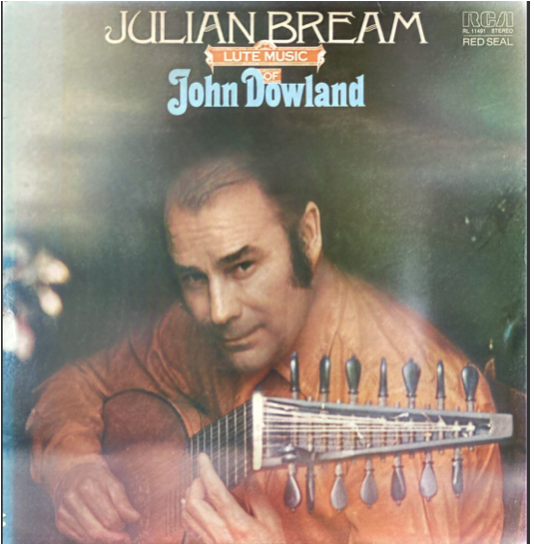
I think it’s wonderful that Brad is helping to narrow the gap in terms of knowledge and accessibility for enthusiasts of both the lute and guitar, just as Julian Bream had done.
To dive deeper into the geeky world of lute tablature reading, there are many primary sources to investigate, The Thomas Robinson School of Musicke 1603 mentioned by Brad is one of them. I based my Beginners Lute Tutorial around this book found here on my luteweb site.
Another interesting primary source dealing with the fundamentals of playing the lute is the essay written by John Baptisto Besardo found in the preface of Robert Dowland’s Varietie of Lute Lessons – 1610. This is definitely worth perusal!
The book itself is packed full of some of the most golden pieces for the lute and so, in my opinion, is a complete gem! The preface by Besardo always gets me, he opens with…

“Here thou (gentle reader) a fashion of practicing on the lute, such as I could gather out of the observations of the famous and divine Laurencini, others, and my own: comprehended in a few rules, which I have here set out with as much care and diligence as I possibly could, by which thou mayest more easily obtain the right practice on there lute.”
I love this opening!
Barsardo, inspired by those who also shared the love of the music and knowledge, did his bit to help project this beautiful art form into the future. Here we are, 400 years later, still relishing it.
Good on you Besardo and good on you Brad!
Have a great week folks!
Blog 3 – Friday 28th June 2024:
Dear Supporters of Luteweb!
The sun has finally decided to make an appearance here in Worcestershire. Hurrah! It’s always nice to be able to practice with the window open to the accompanying sound of birdsong.
This week I have been working on various pieces for my next batch of videos for ‘You Can Play This!’ I have decided to go for a mix of English and Scottish works all of which, you’ll be pleased to hear, have delightful tunes.
The two Scottish pieces are from the Rowallan manuscript now resting in the Edinburgh University Library. This happens to be one of the oldest sources of surviving Scottish lute music. Dates and ownership of the collection are hard to pin down, but it’s thought to have been started before 1609. Two scribes are at work here, the first, Anne Hay, the oldest daughter of the Earl of Errol.
The second is Sir William Mure of Rowallan (1594-1657) a poet. Some of his poetical works consisted of love-lyrics written specifically to be sung. He also wrote poems of welcome to King James VI and 1st on numerous state occasions. In the later years of his life, he entered into public life and became a member of Parliament for Edinburgh.
Rowallan Castle – Ayrshire Scotland

As always, when I prepare pieces for my videos, I gather as much evidence as I can. I draw on many facilities available, digital facsimiles, printed collections, articles etc. JSTOR is a fantastic resource with a bank of useful research essays. I do this preparation work in order for me to be able to draw my own conclusions in terms of making editorial decisions for the preparation of a performance and the score.
However, at times this can be very tricky!
A digital facsimile of the Rowallan Ms is not readily available online. Do let me know if I have missed something here!
When this happens, I call the A-Team! (Cue the music!) My go-to person is the most remarkable and resourceful Chris Goodwin of the Lute Society. Chris is just amazing! I send him desperate emails about some obscure piece of lute tablature that I needed yesterday and quick-as-a-flash…. he’s managed to find me a digital copy!
What a STAR!! 🥰

Our exchange last week made me smile though, when I asked him a about a pretty little tune from the Rowallan book, back came this rapid response…
“Oh dear… this is all there is!”
Yikes!!! That’s bad!!
This manuscript is in a bad way! This image is not helped by the fact that I think someone has just photographed a dud and moved on to the next page. If anyone knows of a software programme that can turn positives into negatives again, I’d be grateful if you could get in touch!
There are other problems with the condition of the collection. The titles were blotted out. It is believed this was done some time after the collection was complied. Then, adding another layer of dodgy-ness to the history of the book, it was treated with chemicals to make the titles legible. However, another big problem is that the pages have water damage… making pieces illegible!! Arrrrgh!
It seems our two named scribes Anne and William, weren’t that bothered about notational detail either. There is much reworking of tunes and in some cases, time signatures are often omitted. The absence of time-signatures is not unusual but when it is coupled with an absence of rhythmical flags… well, that starts to keep us lute players awake at night! 🤣
I’m really grateful to Wayne Cripps for spending time in the Edinburgh library back in 1995, deciphering what he could to make these beautiful pieces accessible today.
Have a great week folks!
Blog 2 – Friday 21st June 2024:
Dear Supporters of Luteweb!
This week I have had the joy of putting together my 7th fantasia for my Luis de Milàn collection on the vihuela. Playing this instrument gives me a wonderful sense of peace and tranquility.
As I move through the collection in El Maestro, (1536) the sophistication of Milán’s writing is starting to pick up the pace. The work is dyadic in construction and is divided into 2 volumes.

The first book is very reasonable to play and I’d recommend to folks, who are in pursuit of wanting to get to know the repertoire a little better, to explore this volume. The second book however, becomes quite fiendish! How far am I planning to go with this collection? I’m not sure! At the moment I’m just really enjoying playing these hidden gems on a very beautiful instrument.
Just to say, this music is really accessible. You can easily get hold of a digital facsimile of El Maestro with links to various recordings via IMSLP.
One thing to watch out for, the notation is in Spanish tablature! The MS is important because it’s the only one of its kind to be printed in this form. Spanish tablature works on the same principles as Italian tablature but with one significant difference! The top line represents the top string on the vihuela. This can have a brain addling effect!

So you are probably thinking to yourself, what is the difference between the lute and the vihuela, after all they are the same tuning, right? Why can’t I just play this repertoire on the lute?
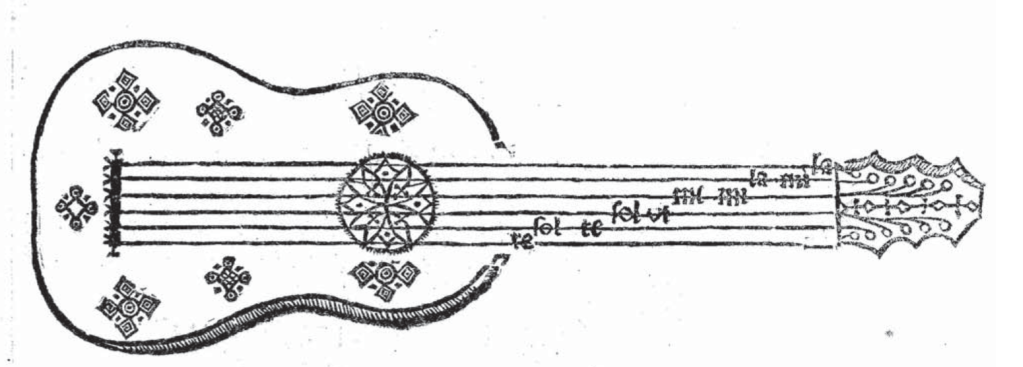
Well, the answer that question gets a little nerdy if I’m honest! Of course, you can play Luis de Milàn on your lute and this is a really great way to get to know the genre. Strangely enough though, the sound world of the vihuela is a very different one! Its full of subtitles that are strikingly different to the lute. The 4th, 5th and 6th courses are in octaves making a big difference to the overall sonic sound. The tone itself is deeper somehow, darker and more mellow. My lute has a bright bell-like quality. When bringing out the thematic material on the vihuela you have to be super careful to be very clear in your thoughts in order to communicate the indivdual lines. When playing the vihuela, you inhabit a very delicate and vulnerable world where just one intruding buzz, rattle or splat and… ‘pop!’ that magical bubble has burst!
The rewards however, for these endeavours are pure bliss! When it comes together, there is nothing quite like it!
So the recording session for my 7th fantasia is planned for July and alongside it, I have four You Can Play This! repertoire pieces up my sleeve! I think I am going to go for a different format for YCPT! Any thoughts and suggestions are most welcome, just drop me a line! elizabeth.pallett@luteweb.com
If you’d like to listen to my Luis de Milàn recordings, visit my playlist here.
Have a great week folks!
Blog 1 – Friday 14th June 2024:
Dear Supporters of Luteweb!
I’m going to start a Luteweb blog! It seems everyone has a blog these days!
I find posting on social media very time consuming! Most of my lovely supporters don’t do Instagram or FaceBook, so I thought… I know! … I’ll start a blog! It’s a nice gentle way for me to keep in touch without cluttering your inbox and shouting on various platforms, “I’m here and still playing the lute!!”
I have to confess, I had to look up the definition of a blog as I wasn’t entirely sure what it was. Elementor blog defines it as “a type of website regularly updated with fresh content.” Yikes!!! Better get my act together! It goes on to say “Think of it like an online journal where you share your thoughts, knowledge and passions.” That’s sounds a bit more doable, and I certainly have lots of thoughts and many passions!
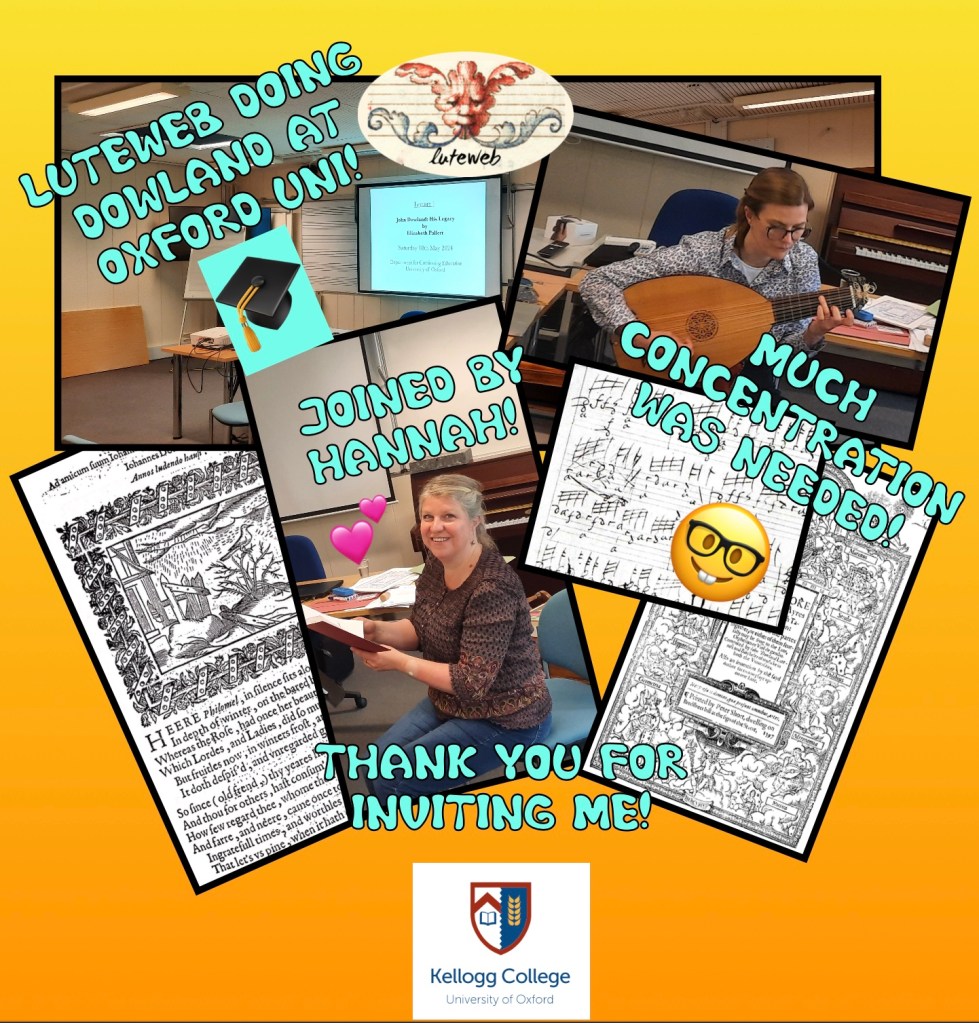
Recently I have been doing some big live projects. One of which was a series of lectures on The Music of John Dowland for Oxford University last May. I’ve presented these lecture/recitals before but this time, I really felt like I was getting know Dowland! It was certainly a very deep dive into his legacy! Folks kindly said that they really enjoyed it but I think they may have gone home thinking…what a nerd! 🤓
A week ago I ventured to Ulverston to play with Amarylli for the Ulverston International Music Festival. What an incredible music festival this is! Celebrating its 20th Anniversary with over 20 concerts in 13 different venues, we were very honoured to be invited. We performed our Love’s Sweet Passion programme in the beautiful church in Bardsea overlooking Morecambe Bay on a gloriously sunny day! Incidentally, what has happened to the English summer?? 🥶

Now I have lots of exciting digital projects in the pipeline! One of my headaches this week, has been figuring out how to use a lute tablature software programme. Oh my!! 😳 Give me a piece of paper and a pencil any day! Sheeeeesh!
So I am now officially a blogging lute player! That’s kind of snazzy! I never thought I could be hip and snazzy!! Just shows it’s never too late!
Have a great week folks!
 Welcome to Luteweb